
Originally published: 03.JAN.2021
Last updated: 25.SEP.2024
Colon cancer is traditionally associated with older adults. However, diagnoses are increasing in younger individuals under the age of 50 - with nearly 20% of diagnoses in 2019 seen in patients under the age of 55.¹
With colon cancer rates rising among young people, it’s crucial to understand everything there is to know about colon cancer in young people including the causes of rising rates, symptoms, and the most up-to-date recommended screening age.
How common is colon cancer in younger adults?
Colon cancer, once considered rare in younger adults, has seen a significant rise in recent years. While most cases still occur in those over 50, rates among adults under 50 have nearly doubled since the 1990s.² Whatsmore, estimates suggest by 2030, nearly 15% of colorectal cancer cases will be diagnosed in younger adults.²
Why are colon cancer rates rising in younger adults?
The obvious question to ask about the rise in colorectal cancer rates among younger adults is why? Unfortunately, the primary cause of this increase isn’t entirely clear.
Factors such as unhealthy lifestyle habits such as an increase in processed foods and sugary drinks are often associated with higher cancer risks. Sedentary lifestyles, smoking, alcohol consumption, and other unhealthy habits could also increase the risk in young adults.³
Some cases may also be attributed to inherited genetic conditions such as Lynch syndrome - a condition that can increase a person's risk of many types of cancer.
Is family history a colon cancer risk factor?
Knowing your family’s cancer history is crucial in understanding your colorectal cancer risk. It’s important to keep in mind that having a family history of cancer doesn’t mean you will get cancer, but it can indicate a higher risk.⁴ If you have a family history of colorectal cancer or polyps, it’s essential to discuss your risk factors with your doctor and consider earlier screening.
What symptoms should people know about?
Many people with colon cancer experience little to no symptoms in the early stages of the disease which makes regular screening crucial. If symptoms do appear, they may include a change in bowel habits, abdominal discomfort, fatigue, or unexplained weight loss.⁵
Another common sign of colon cancer is blood in the stool. If you notice this or any of the listed symptoms, it’s important to reach out to your doctor immediately.
What is the recommended screening age?
It’s recommended to begin regular screening from the age of 45. For those with a high risk, such as those with a family history of colon cancer or those with an inflammatory bowel disease, it’s important to speak with a healthcare provider about the best screening options for you as screening may need to start earlier.⁴
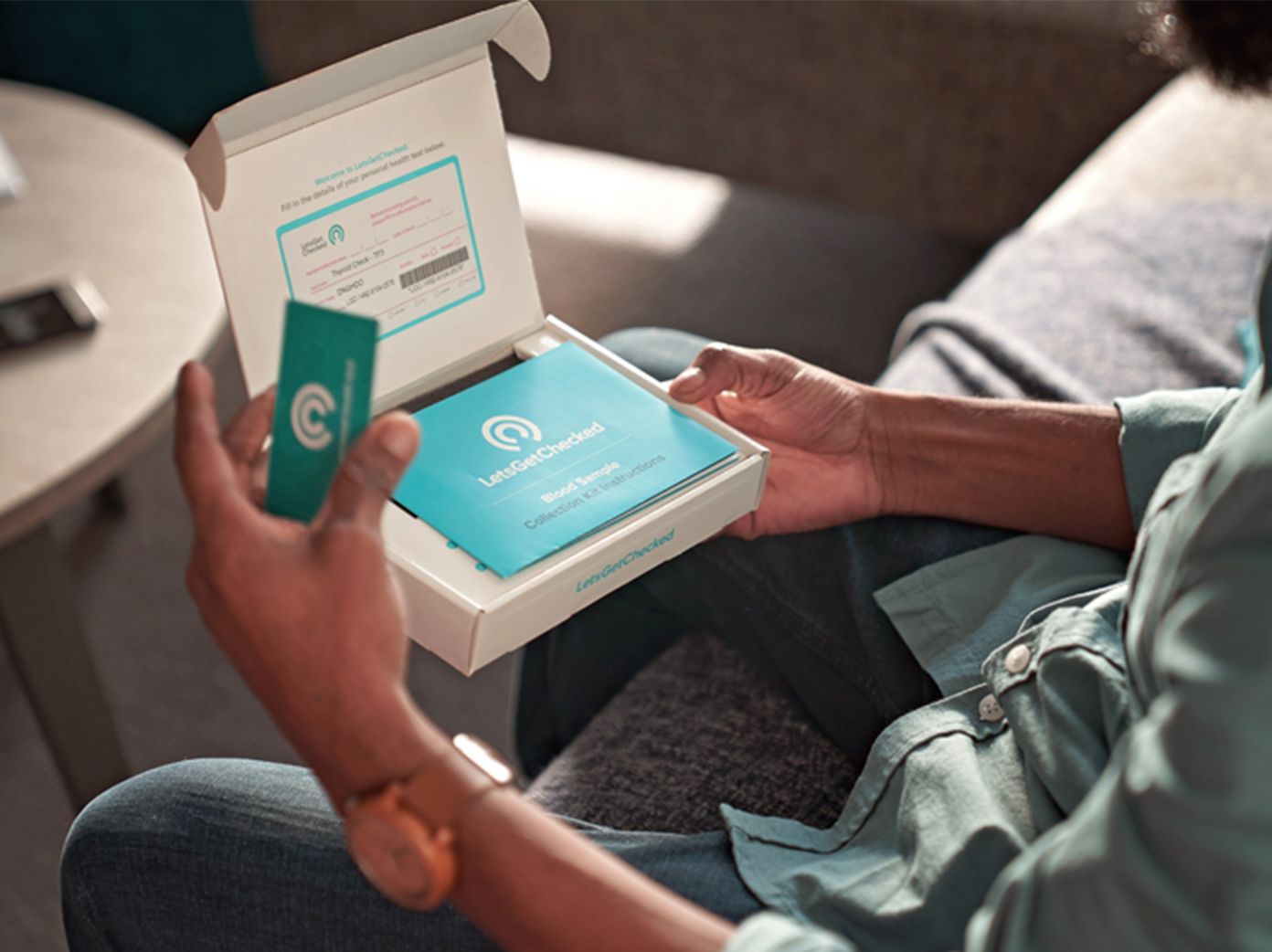
There are various ways that screenings can be carried out, these include stool-based tests (such as LetsGetChecked’s fecal immunochemical test (FIT) test) or visual exams like the colonoscopy.
If you have already noted blood in the stool, or any other symptoms listed, you should talk to your physician.
References
- American Cancer Society. Colorectal Cancer Facts & Figures 2023-2025. Online: Cancer.org
- National Library of Medicine. Colorectal cancer in younger adults. Online: Ncbi.nlm.nih.gov
- Yale Medicine. Colorectal Cancer: What Millennials and Gen Zers Need to Know. Online: Yalemedicine.org
- Centers for Disease Control and Prevention. Screening for Colorectal Cancer. Online: Cdc.gov
- Mayo Clinic. Colon Cancer. Online: Mayoclinic.org
Please note that the following is for educational use only and is not a substitute for medical advice. This content cannot diagnose or provide information about treatment. Consult with your healthcare provider if you have any concerns or need specific medical advice relating to any symptoms, conditions, diagnosis, or treatment. Do not delay seeking medical advice and do not disregard professional medical advice based on this content. Your healthcare provider can provide the most suitable guidance based on your situation.


