
Originally published: 10.MAY.2022
Last updated: 20.SEP.2024
Medically reviewed by Dr. Sarah Conway
In the United States, colorectal cancer is the third-leading cause of cancer-related deaths in men and the fourth-leading cause in women.¹ According to the American Cancer Society (ACS), more than half of all these cases are linked to risk factors that can be changed such as not being physically active, smoking, or excessive alcohol use.²
This is what to know about the lifestyle habits associated with colorectal cancer and the steps you can take to make a change.
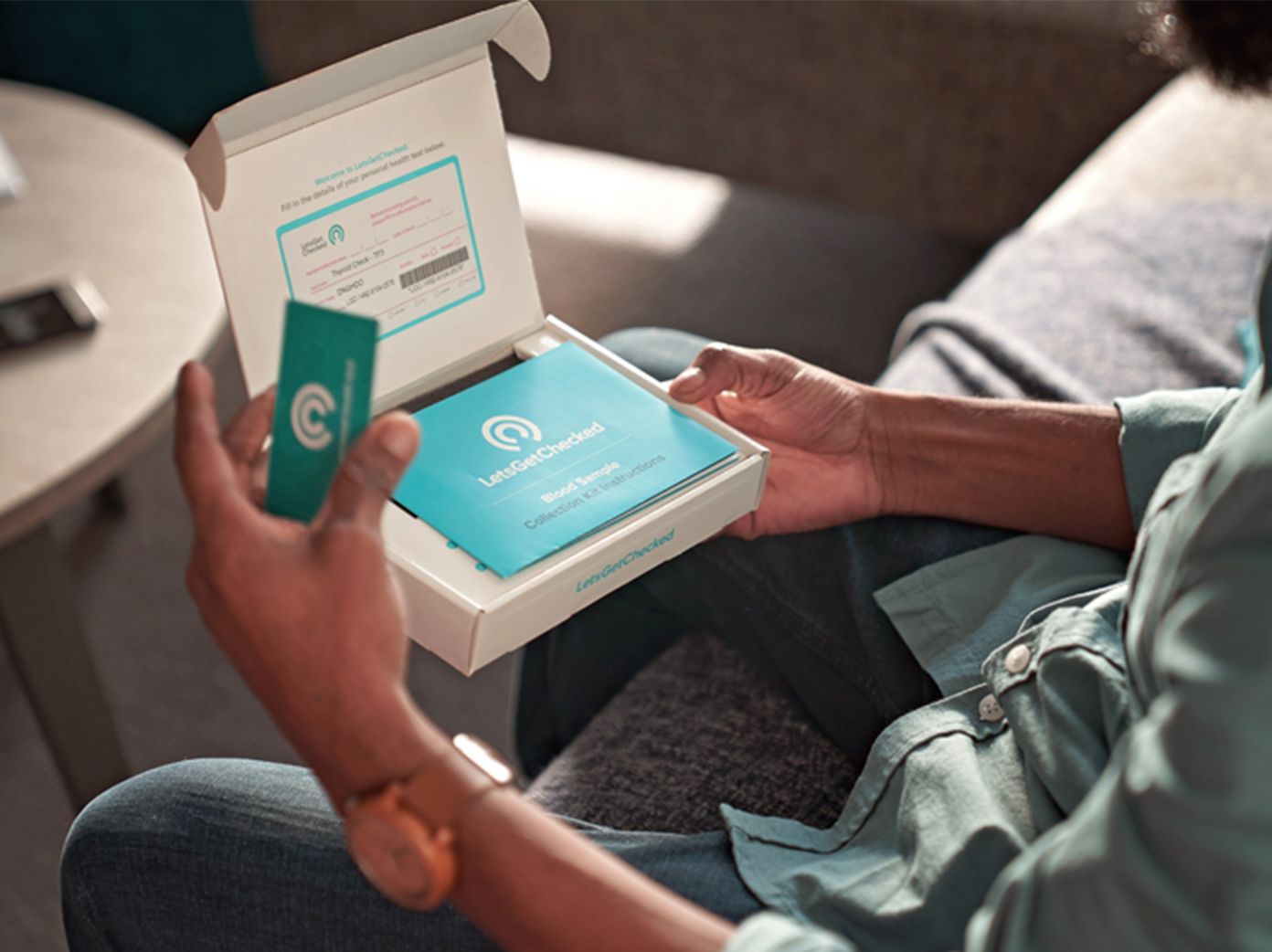
Can anything be done to reduce the risk of colorectal cancer?
Like many forms of cancer, several factors are associated with colorectal cancer that simply can’t be controlled. This includes age, family history, certain medical conditions, and race or ethnicity. There are however risk factors you can change, and certain lifestyle habits are linked to colorectal cancer risk such as:
- Diet
- Inactivity
- Smoking
- Alcohol use
Consider these 5 tips to protect your health.
#1 Increase your intake of the good stuff!
It can be helpful to limit your intake of red and processed meats - both of which have a correlation with raising colorectal cancer risk.³ Additionally following a diet with a good balance of fruits, vegetables, and whole grains is good for your general health.
#2 Get out and get active
Regular physical activity is linked to a reduced risk of developing colon cancer - it’s also without a doubt an important part of keeping your body and mind healthy!⁴
#3 If you’re a smoker, it’s time to quit
Smokers are more likely to develop colorectal cancer and die from the disease than those who don’t smoke.² If you want to take the step towards quitting, consider these tips to get you started:
- Seek support from those around you
- Find your triggers and avoid them
- Keep busy!
#4 Keep alcohol to a minimum
Colorectal cancer has been linked to moderate to heavy alcohol use. If you do drink alcohol, it’s best to keep it to no more than 2 drinks per day for men and 1 drink a day for women.²
#5 Screen regularly
Consider regularly screening if you’re aged 45 or over, have a family history of colorectal cancer, or have an inflammatory bowel disease.⁵
Talk to your healthcare provider about the most suitable screening tests for you and how often these tests should be performed. With regular screening, cancer may be found at an earlier stage when it can be easier to treat, and potential cancerous polyps can be spotted and removed before they progress.
Related article: What are the Risk Factors Associated With Colon Cancer?
LetsGetChecked’s Colon Cancer Screening Test can help identify the presence of cancerous or precancerous growths in the bowel by detecting blood that is invisible to the naked eye.
The U.S. Preventive Services Task Force recommends that adults aged 45 to 75, of average risk, should be screened for colorectal cancer.⁵ You have an average risk of colorectal cancer if:
- You have no family history of colorectal cancer
- You have no personal history of colorectal cancer, other cancer, polyps, inflammatory bowel disease, or any other specific risk factors for colorectal cancer.
The decision to be screened between ages 76 and 85 should be made individually. If you are older than 75, talk to your doctor about screening.
If you are concerned about symptoms of colorectal cancer, please speak with your healthcare provider.
If you have already noted blood in the stool, or any other symptoms listed, you should talk to your physician.
References
- American Cancer Society. Key Statistics for Colorectal Cancer. Online: Cancer.org
- American Cancer Society. Colorectal Cancer Risk Factors. Online: Cancer.org
- NHS. Meat in your diet. Online: Nhs.uk
- Centers for Disease Control and Prevention. Reducing Risk of Colorectal Cancer. Online: Cdc.gov
- Centers for Disease Control and Prevention. Screening for Colorectal Cancer. Online: Cdc.gov
Please note that the following is for educational use only and is not a substitute for medical advice. This content cannot diagnose or provide information about treatment. Consult with your healthcare provider if you have any concerns or need specific medical advice relating to any symptoms, conditions, diagnosis, or treatment. Do not delay seeking medical advice and do not disregard professional medical advice based on this content. Your healthcare provider can provide the most suitable guidance based on your situation.


