Advancements in research and technology have enabled cost-effective early detection and treatment of chlamydia. Although early detection and treatment can help prevent adverse health and social consequences of untreated chlamydia infections, many young women do not receive screening as recommended by the Centers for Disease Control and Prevention (CDC) [1].
Chlamydia screening is one of the most valuable yet underutilized clinical preventive services among those recommended by the United States Preventive Services Task Force (USPTF). In fact, the chlamydia screening rate among sexually active women aged 16–24 years decreased from 2019 to 2020: from 61.8% to 57.9% in Medicaid plans and from 52.4% to 48.4% in commercial health plans [2].
To improve chlamydia screening rates, the Healthcare Effectiveness Data and Information Set (HEDIS) measure, Chlamydia Screening in Women (CHL), was introduced. Keep reading to learn more about this measure and how at-home healthcare solutions can help health plans meet this measure.
What is the Chlamydia Screening in Women (CHL) HEDIS measure?
The HEDIS measure Chlamydia Screening in Women (CHL) captures the percentage of women 16–24 years of age who were identified as sexually active and had at least one test for chlamydia during the measurement year [3].
What is chlamydia?
Chlamydia is the most commonly reported bacterial sexually transmitted disease in the United States [4]. It occurs most often among adolescent and young adult females. Although these infections are treatable and curable, people who have the infection often do not have any symptoms. It’s important to receive treatment for chlamydia as soon as possible.
Without timely treatment, chlamydia can lead to serious complications such as pelvic inflammatory disease (PID), and chronic pelvic pain, and cause permanent damage to your reproductive organs even without having symptoms.
Why is the CHL measure important?
Because chlamydia often doesn’t cause symptoms, many people who have chlamydia don’t know it and unknowingly infect other people. Regular screenings can help reduce chlamydia’s spread.
Young women are disproportionately affected by chlamydia infection. [5]. Many individuals at risk of chlamydia infection do not have symptoms or are unaware of their likelihood of infection. This is a major obstacle to detecting infections.
The goal of the CHL measure is to improve screening rates, which have been increasing but still lag behind recommendations. Health plans that meet this measure and make chlamydia screening a high priority for their quality improvement activities can experience

How LetsGetChecked’s at-home solutions can help meet the CHL HEDIS measure
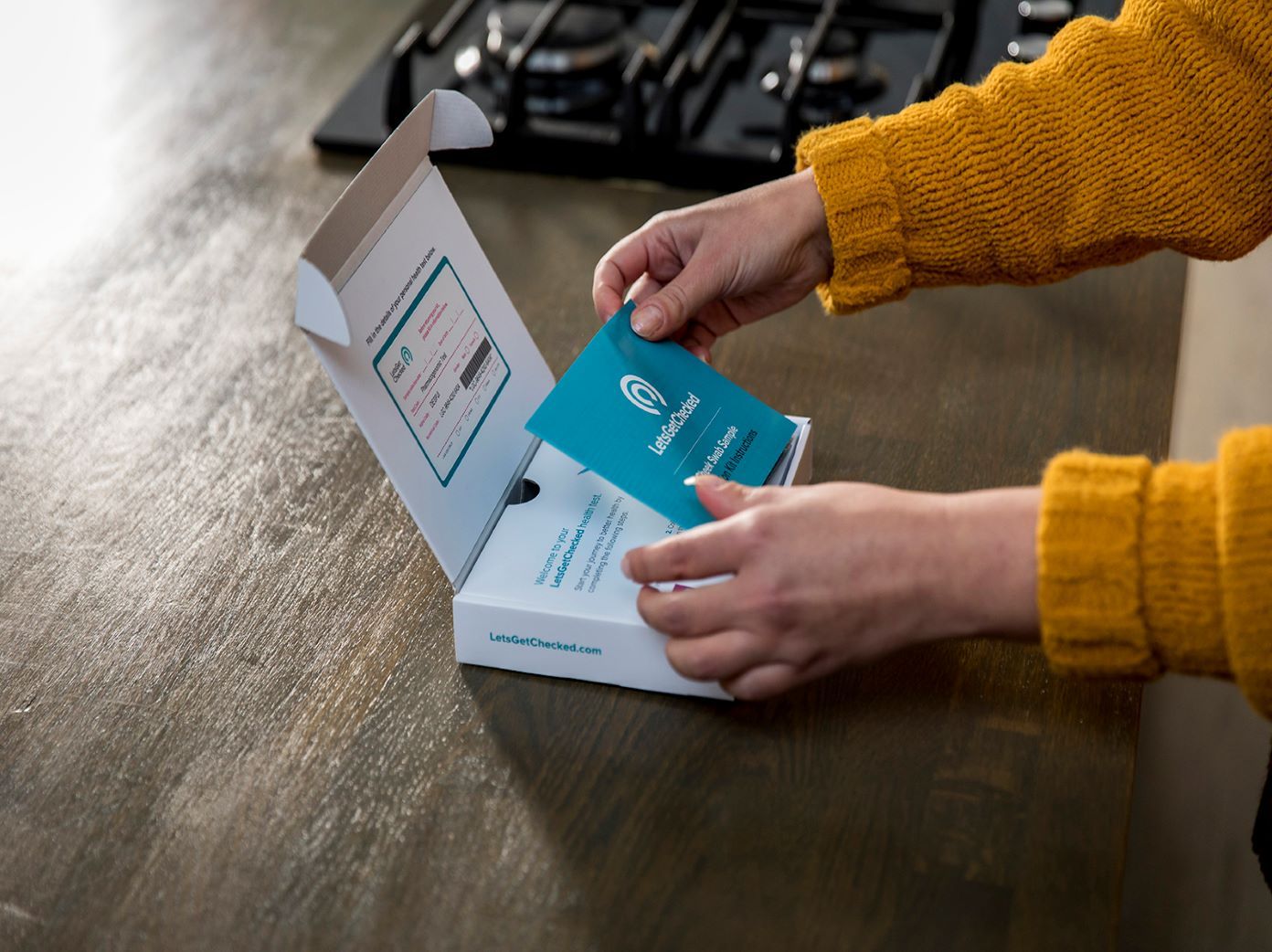
As chlamydia usually doesn’t cause symptoms, yearly screening in sexually active females under 25 years is the most effective way to diagnose chlamydia and prevent complications. LetsGetChecked’s simple at-home infectious disease screening solutions make it easy for health plans and providers to meet members where they are and close gaps in chlamydia screening.
Our preventive care strategies involve convenient, data-driven engagement beyond traditional care settings to make a profound impact. Investing in at-home healthcare solutions can enable value-based and quality-focused health plans to improve their member offerings and engagement. This will increase revenue and aid in attracting new enrollees while continuously improving quality.
LetsGetChecked’s end-to-end solution simplifies the configuration, implementation, and management of all aspects of a health testing program to help health plans and providers meet their people where they are. We provide support throughout the entire healthcare journey, with the flexibility to accommodate your population’s needs and provide quality and accessible preventive care.