
Colorectal cancer (CRC) is the fourth most common cancer in the U.S. and ranks second for cancer-related deaths [1]. While common, colorectal cancer is also one of the most preventable and treatable forms of cancer. The key to reducing the burden of colorectal cancer lies in early detection. To combat colorectal cancer, the Healthcare Effectiveness Data Information Set (HEDIS) includes a colorectal cancer screening measure to increase screening rates and improve quality measures.
The Colorectal Cancer Screening (COL-E) HEDIS measure evaluates adherence to screening guidelines. This measure is defined as the percentage of members 45 to 75 years of age who had appropriate screening for colorectal cancer [2]. Continue reading to learn more about this measure and how an at-home screening solution can help health plans meet this measure.
About the COL-E HEDIS measure
The COL-E HEDIS measure evaluates members aged 45-75 who received one or more of the following screenings for colorectal cancer [3]:
- Colonoscopy (also known as lower endoscopy) during the measurement year (MY) or the 9 years prior.
- Flexible sigmoidoscopy during the MY or the four years prior or flexible sigmoidoscopy every 10 years, with FIT every year.
- CT Colonography (Virtual colonoscopy) during the MY or the four years prior.
- Stool DNA (sDNA) with FIT test (Cologuard) during the MY or two years prior.
- Fecal occult blood test (FOBT) during the MY. gFOBT (guaiac), FIT/iFOBT (immunochemical)
Why colorectal cancer screening is important
Colorectal cancer almost always develops from precancerous polyps (abnormal growths) in the colon or rectum. Fortunately, regular screenings can lead to the detection and removal of polyps before they develop into cancer. Treatment for colorectal cancer in its localized stage can lead to a 91% survival rate after five years [4].
Despite screening being one of the best ways to prevent or diagnose colorectal cancer early, many people are not engaging in testing as recommended. According to the National Health Interview Survey, up-to-date colorectal cancer screening prevalence among adults ages 45 years and older was only 59% in 2021 [5].

Factors causing people to not keep up with regular colorectal cancer screenings
Reasons individuals may choose to skip or forgo colorectal cancer screenings vary, from lack of knowledge about colorectal cancer risk and screening benefits to lack of care access and financial concerns. The fear of pain or discomfort often associated with colonoscopies and the logistical challenges of scheduling an appointment, arranging transportation, and taking time off work can also deter people from taking action.
As missed or delayed screenings can potentially lead to colorectal cancer being diagnosed at a more advanced stage, increasing screening access and engagement rates is crucial.
How LetsGetChecked can help plans meet the COL-E HEDIS measure
An accessible and convenient colorectal cancer screening program can help ensure compliance with screening guidelines, contributing to early detection, improved survival rates, and the prevention of colorectal cancer.
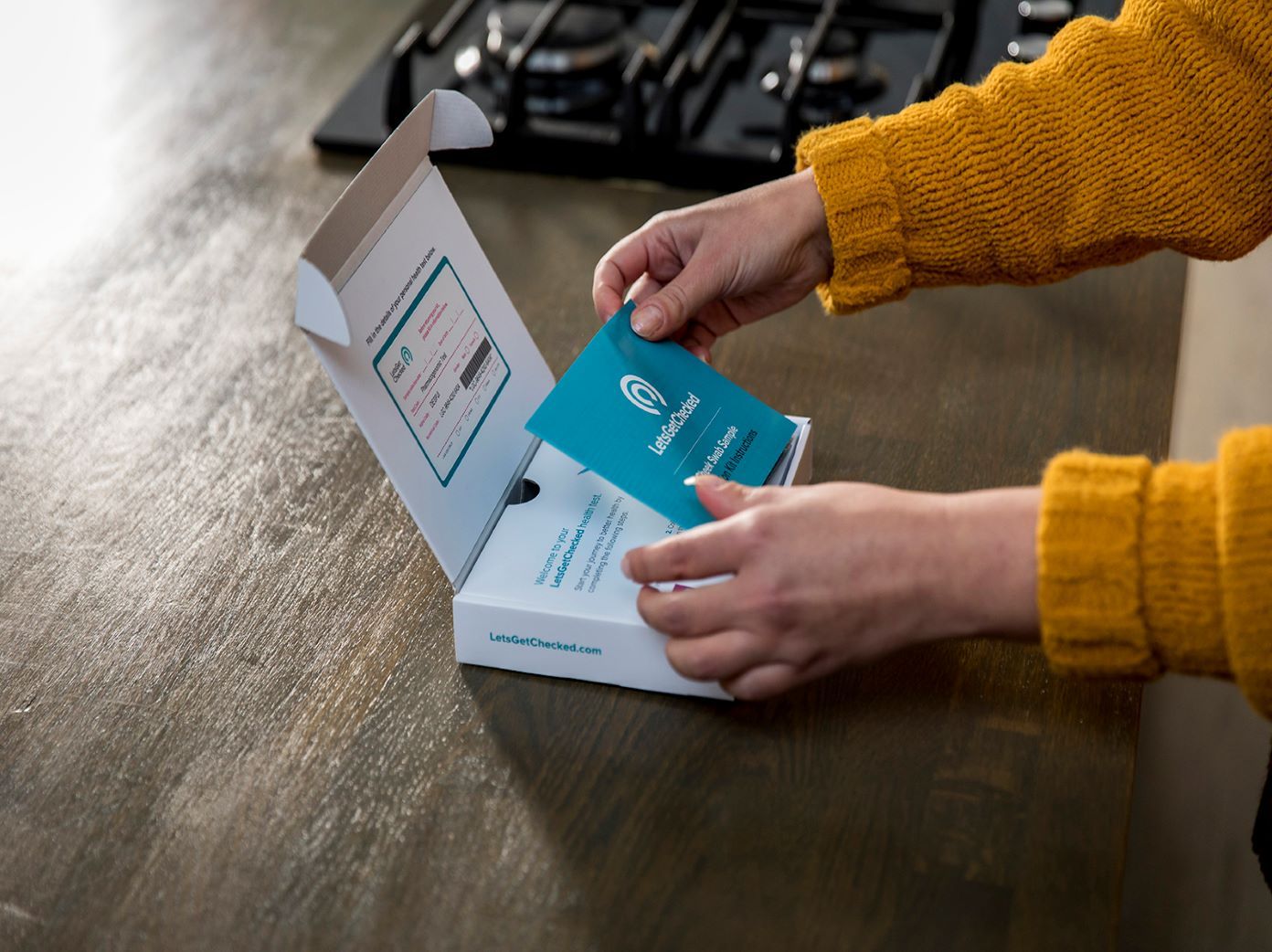
Although our colon cancer screening solution is not a complete replacement for colonoscopies, it plays a vital role in the route to diagnosis. This fecal immunochemical test (FIT) looks for hidden blood in stool which can be a sign of cancerous or precancerous growths in the colon or rectum. Offering this convenient and noninvasive analysis can encourage members to take the first important step in detecting colorectal cancer early, increasing screening rates and positively affecting population health.
Our flexible healthcare solutions make it easy for health plans to launch or expand a colorectal cancer screening program and enable equitable and accessible care at scale. By leveraging a screening program with LetsGetChecked, members can overcome screening barriers and easily stay up-to-date on recommended screenings all from the comfort of home.
References
- https://www.cancer.org/cancer/types/colon-rectal-cancer/about/key-statistics.html
- https://www.ncqa.org/hedis/measures/colorectal-cancer-screening/
- https://www.hopkinsmedicine.org/johns-hopkins-health-plans/providers-physicians/health-care-performance-measures/hedis/colorectal-cancer-screening
- https://www.cancer.org/cancer/types/colon-rectal-cancer/detection-diagnosis-staging/survival-rates.html
- https://www.cancer.org/content/dam/cancer-org/research/cancer-facts-and-statistics/colorectal-cancer-facts-and-figures/colorectal-cancer-facts-and-figures-2023.pdf


