
Lead is a potent neurotoxin that has resulted in extensive environmental contamination, human exposure, and significant public health problems. Young children are particularly vulnerable to the toxic effects of lead and can suffer profound and permanent adverse health impacts, particularly on the development of the brain and nervous system.
Screening for lead is an easy way to detect an abnormal blood lead level in children. To improve screening rates for children, the Lead Screening in Children (LSC) HEDIS measure was introduced. This measure analyzes the percentage of children 2 years of age who had one or more capillary or venous lead blood tests for lead poisoning by their second birthday [1]. Keep reading to learn more about the LSC HEDIS measure and how an at-home lead screening solution can improve access to vital health information.
Why is lead screening for children important
Child lead poisoning is a long-standing child public health epidemic that perpetuates health inequity. There is no safe blood lead level and without early detection, lead exposure and high blood lead levels can lead to behavioral and learning difficulties, anemia, seizures, and other medical problems, some of which are considered to be irreversible. Lead exposure is particularly dangerous for young children due to their small size and rapid growth and development.
Screening for lead is an easy way to detect an abnormal blood lead level in children. However, children who are exposed to lead often do not have any obvious symptoms, meaning that lead poisoning often goes unrecognized. As a result, many children at risk of elevated blood lead levels (EBLL) are never tested, with an estimated 35%–60% of children enrolled in Medicaid are not screened [2].
Where can children get lead poisoning?
All children are vulnerable to lead poisoning. However, lead poisoning is found overwhelmingly among children in lower-income neighborhoods with older housing and/or situated near major lead hazard sources that can contaminate the air, water, and soil [3]. All children who are at risk for lead exposure should be tested for lead poisoning. Some children are more likely to be exposed to lead than others. These include children who:
- Live or spend time in a house or building built before 1978.
- Are from low-income households.
- Are immigrants, refugees, or recently adopted from less developed countries.
- Live or spend time with someone who works with lead
- Live or spend time with someone who has hobbies that expose them to lead

Why is screening for lead levels important?
Lead attacks the brain and central nervous system, both of which are still under development as children grow from infant to preschool age. Lead attacking these vital organs at such an early stage in a child’s life can cause serious and even permanent harm. Ongoing lead exposure can lead to a continuum of symptoms that get worse as the exposure continues
Typical effects of lead exposure at an early age are [4]:
- Learning disabilities, including an inability to concentrate;
- Behavior problems, including disruptive or even violent behavior; and
- Potentially permanent neurological and behavioral effects including lower intelligence
- High levels of exposure can cause encephalopathy, seizure and reduced consciousness
How LetsGetChecked can help health plans meet this measure
With an estimated 4 million children living in homes with lead exposure, lead testing is a crucial HEDIS quality measure for the Medicaid population [4]. Lead toxicity impacts children in a number of harmful ways, hindering development and creating short and long-term physical and mental health issues. Even low levels of lead in the blood are associated with significant effects on health, which is why screening children is so important.
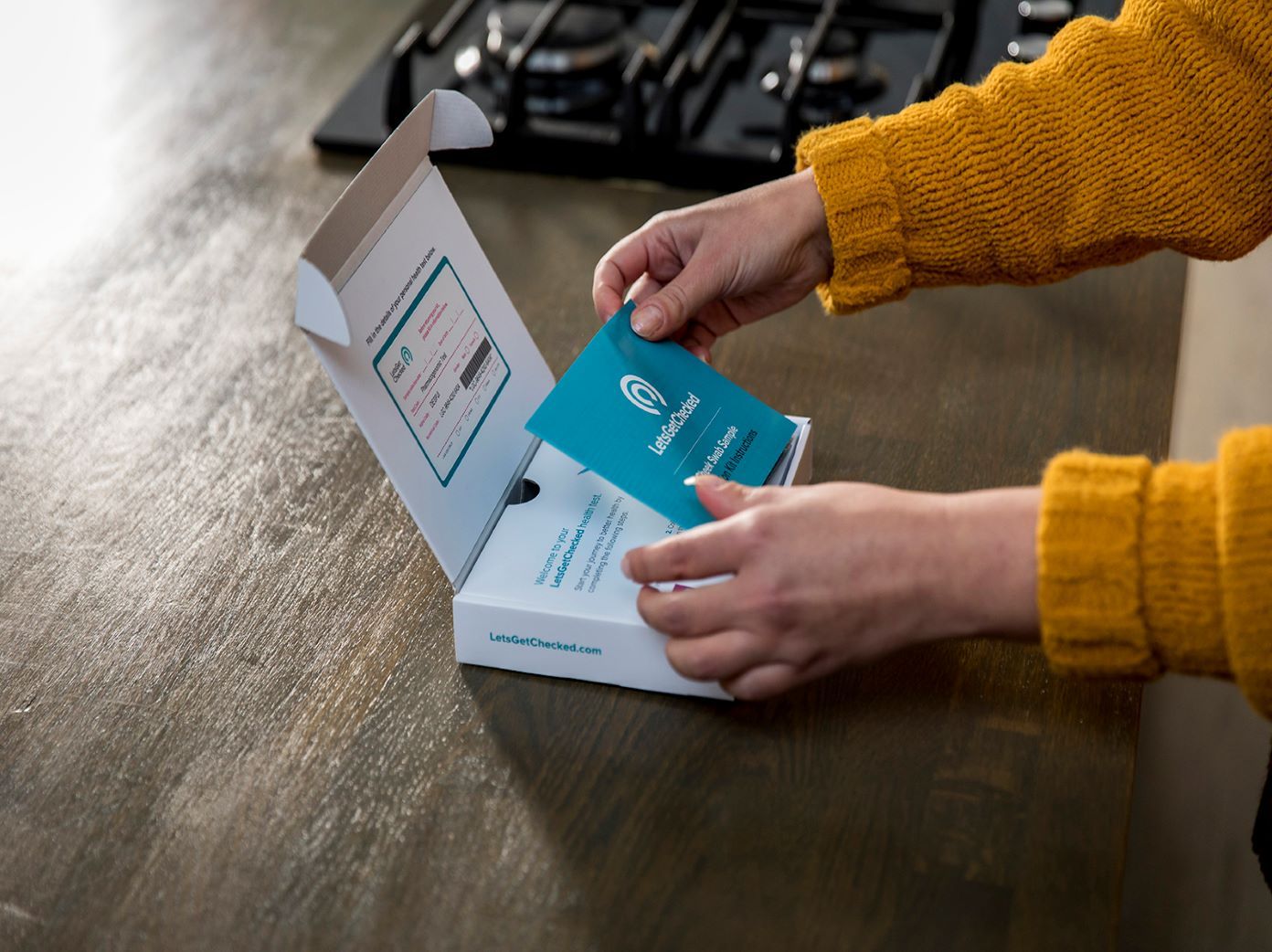
LetsGetChecked’s lead screening solution makes it easy to test for abnormal lead blood levels in children over 1 year old. Our solution can help health plans meet the LSC HEDIS measure and properly screen children for elevated blood lead levels to identify those who need treatment and mitigate potentially longer-term health issues. Learn more about how our at-home healthcare solutions offer accessible and actionable health insights to enable more informed healthcare decision-making, improved outcomes, and closed care gaps here.
References
- https://www.ncqa.org/hedis/measures/lead-screening-in-children/
- https://www.ncbi.nlm.nih.gov/pmc/articles/PMC9347897/
- https://onlinelibrary.wiley.com/doi/full/10.1111/1468-0009.12596
- https://www.who.int/news-room/fact-sheets/detail/lead-poisoning-and-health
- https://www.ncbi.nlm.nih.gov/pmc/articles/PMC9897265


