
Originally published: 12.OCT.2020
Last updated: 25.SEP.2024
A colonoscopy is a procedure used to examine the colon and rectum. During the procedure, a camera on a long, flexible tube is inserted into the rectum, allowing doctors to inspect the colon’s lining. This can help to detect abnormalities such as polyps and early signs of colorectal cancer.¹ If you have an increased risk for colorectal cancer, a colonoscopy may be more suitable than a FIT or Cologuard test.
Knowing what to expect can help ease anxieties or worries surrounding the procedure. This is everything you should know and what to expect from a colonoscopy.
Why is a colonoscopy done?
People at an increased risk of getting colorectal cancer should talk to their provider about when to begin screening, which test is right for them, and how often to get tested. Your healthcare provider may recommend a colonoscopy for several reasons, these include:
Screening for colon cancer
It’s recommended to get screened for colon cancer from the age of 45. At this age, your doctor may recommend a colonoscopy every 10 years or so to check in on your colon health and look for any potential polyps.²
This is only one form of colon cancer screening used - some other forms include:
- Stool DNA test
- Fecal immunochemical test (FIT)
- Double contrast barium enema (DCBE)
Check for polyps
If a patient has a history of polyps, a colonoscopy might be used to check in and look for any other additional polyps.
Intestinal problems
A colonoscopy may be used to identify the underlying cause of any intestinal issues such as abdominal pains, rectal bleeding and chronic constipation or diarrhea.
Related article Top 5 Most Common Types of Cancer Globally
How is a colonoscopy done?
During a colonoscopy, the doctor will take a long, flexible tube and insert it into the rectum. This tube has a small video camera at the end which allows the doctor to see any abnormalities on a screen.¹
If polyps are found, they can be removed during a colonoscopy using specific tools, tissue samples can also be taken.
How painful is a colonoscopy?
Despite popular belief, not many people feel much pain during a colonoscopy. Doctors typically give patients medicine that helps them relax and sometimes sleep during the process so you may only feel slight cramping or discomfort a few hours after the procedure. Mayo Clinic recommends taking a walk to relieve these symptoms.³
How to prepare for a colonoscopy
When it comes to preparing for your colonoscopy, your healthcare provider knows best. You will typically be instructed to follow a clear liquid diet the day before, avoiding solid foods and thick liquids. Laxatives or bowel-cleansing solutions will also be prescribed to empty the colon.³ It's important to avoid certain medications, like blood thinners, as directed by your doctor.
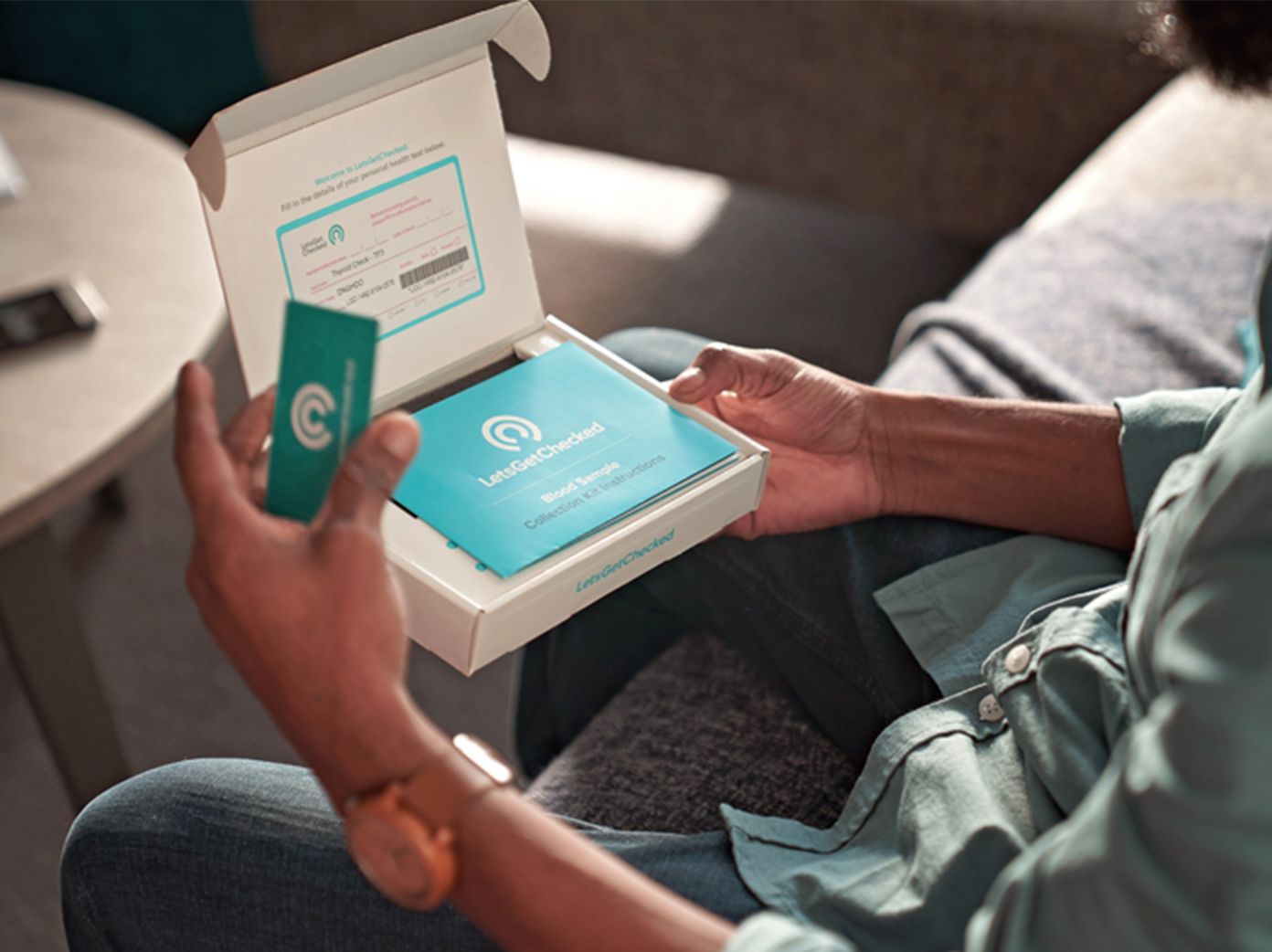
One reliable way to check for colon (colorectal) cancer is through a fecal immunochemical test (FIT), this can be done with your healthcare provider or with LetsGetChecked.
The LetsGetChecked FIT is a great first step in your colorectal cancer screening journey if you want to take action now and start those conversations on protecting your health with your doctor. Talk to your healthcare provider about the most suitable test for you.
If you have already noted blood in the stool, or any other symptoms listed, you should talk to your physician.
References
- American Cancer Society. 7 things to know about a colonoscopy. Online: Cancer.org
- American Cancer Society. American Cancer Society Guideline for Colorectal Cancer Screening. Online: Cancer.org
- Mayo Clinic. Colonoscopy. Online: Mayoclinic.org
Please note that the following is for educational use only and is not a substitute for medical advice. This content cannot diagnose or provide information about treatment. Consult with your healthcare provider if you have any concerns or need specific medical advice relating to any symptoms, conditions, diagnosis, or treatment. Do not delay seeking medical advice and do not disregard professional medical advice based on this content. Your healthcare provider can provide the most suitable guidance based on your situation.


